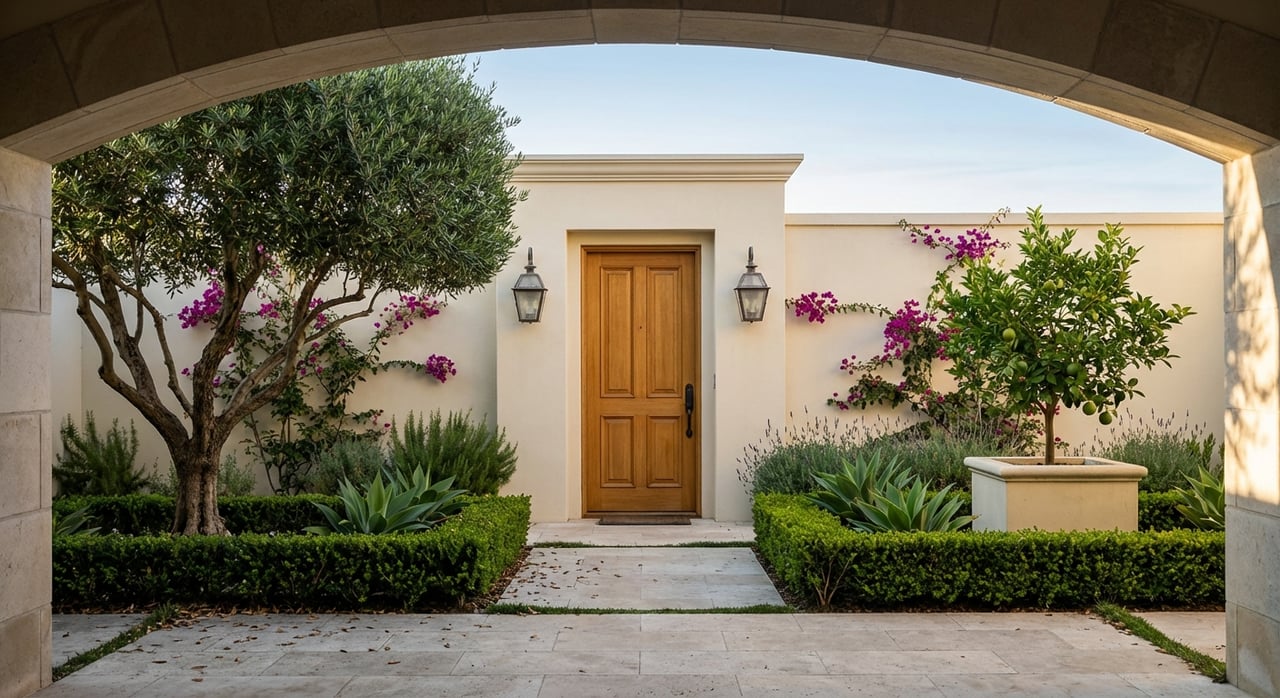
Step-By-Step Guide To Buying A Home In La Habra
February 19, 2026
February 19, 2026
You want to buy a home in La Habra, but the steps, costs, and timing can feel overwhelming. You are not alone. La Habra sits at the north edge of Orange County and often offers more approachable prices than coastal OC. As of early 2026, recent snapshots place local home values roughly in the 700s to low 800s, while the broader Orange County median sits closer to the 1.2 million range. That gap is why many buyers focus here, but modest inventory means you should expect some competition. In this guide, you will learn a clear, step-by-step plan tailored to La Habra, from pre-approval through closing. Let’s dive in.
La Habra gives you access to north Orange County amenities and a range of single-family homes, townhomes, and condos. Prices here often run below coastal OC markets. County-wide reports point to a higher median around 1.2 million, which makes La Habra an attractive entry point for many buyers seeking value within commuting range of nearby job centers. You still need a plan, since well-priced homes can move quickly. A strong pre-approval and a clean, complete offer can help you compete and close with confidence.
A true lender pre-approval is the strongest start. A pre-approval verifies your income, credit, and assets with a hard credit check and documented review, so sellers know you can close. In Southern California, listing agents commonly ask for a pre-approval letter with your offer. Learn the difference between pre-qualification and pre-approval and why the latter carries more weight by reviewing guidance on mortgage pre-approval.
Next, plan for your cash to close. You will need your down payment plus closing costs. Closing costs typically fall in the low single-digit percentage of the purchase price. Ask your lender for an early Loan Estimate so you know your potential fees and payment range. For a practical overview of timelines and closing documents, review this closing-on-a-house guide.
A few preparation tips:
Before you tour, clarify what matters most. Create a simple list of must-haves and nice-to-haves, then add commute goals, outdoor space, and parking needs. If schools are part of your decision, note that public schools in La Habra are served by the La Habra City School District for elementary and middle grades and by the Fullerton Joint Union High School District for high school. To explore local options, use the city’s schools information page.
Search smart:
When touring, look beyond cosmetics. You want a solid home at a fair price. During showings, pay attention to the roof condition, drainage signs, ages of major systems like HVAC and water heater, the electrical panel, and any visible workmanship that might hint at unpermitted changes. A good general inspector evaluates these key items during a standard home inspection. For what a general inspection does and does not cover, review these home inspection standards of practice.
Local tip: Consider a sewer camera scope for older homes or areas with frequent sewer repairs. If you can, attend your inspection. It is a great way to learn about maintenance and how to operate systems in your new home. Here is a helpful overview of what to expect during your first home inspection.
In a fast market, many buyers pre-schedule inspectors and confirm availability even before they write an offer. If you plan to shorten your inspection window, this step is important. Learn why contingency timelines matter in this explainer on California home purchase contingencies.
Most California residential purchases use the California Association of REALTORS Residential Purchase Agreement, known as the RPA. The RPA sets default timelines that are often used unless both sides agree to change them. The buyer investigation period is 17 days by default. Competitive offers sometimes shorten this to 7 to 10 days. You can read a consumer-oriented RPA overview and timeline guide.
Earnest money is common. Many offers include an initial deposit around 1 to 3 percent of the price. The contract controls the exact amount and when you must deliver it, often within a few business days to escrow. Removing contingencies early increases your risk, since deposits can become non-refundable if you later default. For a plain-language primer on earnest money and deposit timing, see this guide to California purchase agreements.
Other ways buyers compete, and what to weigh:
Disclosures matter. California requires the Transfer Disclosure Statement and the Natural Hazard Disclosure in most one-to-four unit residential sales. You have statutory rights tied to these forms, and sellers must disclose known material facts. Review the statutes for disclosures upon transfer of residential property and the Real Estate Transfer Disclosure Statement. Natural hazard requirements are covered in Civil Code section 1103.
Order your general home inspection right after acceptance, especially if you negotiated a shorter investigation window. Depending on the property, you might add termite, roof, foundation or structural engineer, sewer camera, and environmental tests like mold or asbestos for older homes. A general inspection is visual and non-invasive, so specialist checks can fill any gaps. Review what a generalist does here: inspection standards of practice.
If issues come up, you can request repairs or a credit. The typical flow is a written Request for Repair within your investigation period. The seller may accept, counter, or refuse. If you cannot reach agreement, you may cancel within your contingency window or remove the contingency and proceed, which increases your deposit risk. The RPA guide explains these mechanics.
In Southern California, a financed purchase commonly closes in about 30 to 45 days after your offer is accepted. Cash purchases can close faster, sometimes 7 to 21 days. Federal rules require that your lender provide a Closing Disclosure at least 3 business days before you sign final loan documents. For a clear step-by-step, review this closing-on-a-house guide.
Key milestones and typical RPA deadlines:
Closing costs and transfer tax in La Habra:
You will complete a final walk-through shortly before closing to confirm the home’s condition and any agreed-upon repairs. Bring your inspection summary and any repair agreements so you can verify the work. Confirm utilities transfer, homeowner’s insurance start date, and keys or access codes. Be cautious with wires. Call your escrow officer using a known phone number to confirm instructions before sending any funds, and never rely on email alone.
Use this quick-reference list to stay on track:
If you want a clear plan, local context, and quick communication from offer to keys, connect with a responsive neighborhood team. You set the goal. We help you get there.
Ready to start your La Habra home search or create a step-by-step plan tailored to your budget and timeline? Reach out to Andrea De La Rosa for friendly, expert guidance from first tour to final closing.
Stay up to date on the latest real estate trends.





We specialize in Whittier, but work throughout Southern California. Our cell phones are always available. Please feel free to call/text/email us if we can be of any assistance to you.